Main Takeaway: Early evidence shows there's a higher risk of re-infection for people who have previously had COVID-19.

Why The Omicron Variant Is Concerning Scientists Wsj -

Growth & Performance Considerations for this topic.

Important details found

  • Early evidence shows there's a higher risk of re-infection for people who have previously had COVID-19.

Why this topic is useful

A structured page helps reduce disconnected snippets by grouping the main subject with context, examples, and nearby entries.

Sponsored

Frequently Asked Questions

Is the information always complete?

Not always. Some topics may need verification from official or primary sources.

How should readers use this information?

Use it as a starting point, then open related pages for more specific details.

What should readers check next?

Readers should check related pages, official references, or updated sources when details matter.

Topic Gallery

Why the Omicron Variant Is Concerning Scientists | WSJ
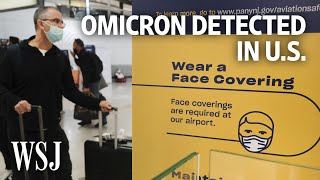
Omicron Variant Is Identified in the U.S.: What’s Next | WSJ
BA.2 Omicron: What to Know About the New Covid Variant
Why Do Covid Variants Keep Getting More Infectious?
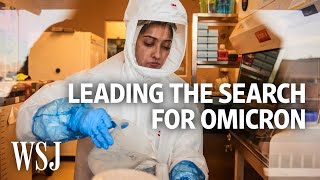
Inside the South African Lab With the First Omicron Findings | WSJ
COVID-19 omicron variant: What scientists are learning and what you need to know
‘If We Need One, We Will Have One:’ Pfizer CEO on Omicron Vaccines and Efficacy | WSJ
The Science Behind Why New Covid Variants Are Spreading Faster | WSJ
What’s Surprising Scientists About the Omicron Variant | Amanpour and Company
COVID-19: Scientists say Omicron could be the worst COVID-19 variant yet
Sponsored
View Full Details
Why the Omicron Variant Is Concerning Scientists | WSJ

Why the Omicron Variant Is Concerning Scientists | WSJ

Read more details and related context about Why the Omicron Variant Is Concerning Scientists | WSJ.

Omicron Variant Is Identified in the U.S.: What’s Next | WSJ

Omicron Variant Is Identified in the U.S.: What’s Next | WSJ

Read more details and related context about Omicron Variant Is Identified in the U.S.: What’s Next | WSJ.

BA.2 Omicron: What to Know About the New Covid Variant

BA.2 Omicron: What to Know About the New Covid Variant

Read more details and related context about BA.2 Omicron: What to Know About the New Covid Variant.

Why Do Covid Variants Keep Getting More Infectious?

Why Do Covid Variants Keep Getting More Infectious?

Read more details and related context about Why Do Covid Variants Keep Getting More Infectious?.

Inside the South African Lab With the First Omicron Findings | WSJ

Inside the South African Lab With the First Omicron Findings | WSJ

Read more details and related context about Inside the South African Lab With the First Omicron Findings | WSJ.

COVID-19 omicron variant: What scientists are learning and what you need to know

COVID-19 omicron variant: What scientists are learning and what you need to know

Early evidence shows there's a higher risk of re-infection for people who have previously had COVID-19.

‘If We Need One, We Will Have One:’ Pfizer CEO on Omicron Vaccines and Efficacy | WSJ

‘If We Need One, We Will Have One:’ Pfizer CEO on Omicron Vaccines and Efficacy | WSJ

Read more details and related context about ‘If We Need One, We Will Have One:’ Pfizer CEO on Omicron Vaccines and Efficacy | WSJ.

The Science Behind Why New Covid Variants Are Spreading Faster | WSJ

The Science Behind Why New Covid Variants Are Spreading Faster | WSJ

Read more details and related context about The Science Behind Why New Covid Variants Are Spreading Faster | WSJ.

What’s Surprising Scientists About the Omicron Variant | Amanpour and Company

What’s Surprising Scientists About the Omicron Variant | Amanpour and Company

Read more details and related context about What’s Surprising Scientists About the Omicron Variant | Amanpour and Company.

COVID-19: Scientists say Omicron could be the worst COVID-19 variant yet

COVID-19: Scientists say Omicron could be the worst COVID-19 variant yet

Read more details and related context about COVID-19: Scientists say Omicron could be the worst COVID-19 variant yet.