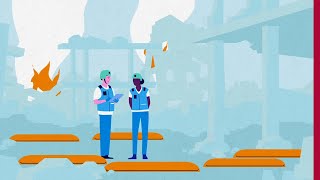
Reference Summary: If a natural disaster like an earthquake or a hurricane strikes, how can we properly manage the bodies of the deceased? This introduction covers basic principles of managing dead bodies in situations of conflict or disasters.

Icrc Forensics Training Chapter 5 Recording Data -

If a natural disaster like an earthquake or a hurricane strikes, how can we properly manage the bodies of the deceased? This introduction covers basic principles of managing dead bodies in situations of conflict or disasters.

Important details found

  • If a natural disaster like an earthquake or a hurricane strikes, how can we properly manage the bodies of the deceased?
  • This introduction covers basic principles of managing dead bodies in situations of conflict or disasters.

Why this topic is useful

This format is designed to help readers move from a broad question into more specific pages without losing context.

Sponsored

Frequently Asked Questions

What is this page about?

This page summarizes Icrc Forensics Training Chapter 5 Recording Data and connects it with related entries, references, and supporting context.

Is the information always complete?

Not always. Some topics may need verification from official or primary sources.

How should readers use this information?

Use it as a starting point, then open related pages for more specific details.

Related Images

ICRC Forensics training | Chapter 5: Recording Data
ICRC Forensics training | Chapter 7: Temporary Storage of Dead Bodies
ICRC Forensics training | Chapter 1: Introduction
ICRC Forensics training | Chapter 4: Allocation Unique Codes
ICRC Forensics training | Chapter 8: Long-term Storage of Dead Bodies
ICRC Forensics training | Chapter 2: Planning and Coordination
ICRC Forensics training | Chapter 6: Recovery of Dead Bodies
ICRC Forensics training | Chapter 3: Health and Safety
ICRC Forensics training | Chapter 11: Communication with Families and the Media
How can we manage the bodies of the deceased after a natural disaster? | ICRC Forensics Training
Sponsored
View Full Details
ICRC Forensics training | Chapter 5: Recording Data

ICRC Forensics training | Chapter 5: Recording Data

Read more details and related context about ICRC Forensics training | Chapter 5: Recording Data.

ICRC Forensics training | Chapter 7: Temporary Storage of Dead Bodies

ICRC Forensics training | Chapter 7: Temporary Storage of Dead Bodies

Read more details and related context about ICRC Forensics training | Chapter 7: Temporary Storage of Dead Bodies.

ICRC Forensics training | Chapter 1: Introduction

ICRC Forensics training | Chapter 1: Introduction

This introduction covers basic principles of managing dead bodies in situations of conflict or disasters. The following 10

ICRC Forensics training | Chapter 4: Allocation Unique Codes

ICRC Forensics training | Chapter 4: Allocation Unique Codes

Read more details and related context about ICRC Forensics training | Chapter 4: Allocation Unique Codes.

ICRC Forensics training | Chapter 8: Long-term Storage of Dead Bodies

ICRC Forensics training | Chapter 8: Long-term Storage of Dead Bodies

Read more details and related context about ICRC Forensics training | Chapter 8: Long-term Storage of Dead Bodies.

ICRC Forensics training | Chapter 2: Planning and Coordination

ICRC Forensics training | Chapter 2: Planning and Coordination

Read more details and related context about ICRC Forensics training | Chapter 2: Planning and Coordination.

ICRC Forensics training | Chapter 6: Recovery of Dead Bodies

ICRC Forensics training | Chapter 6: Recovery of Dead Bodies

Read more details and related context about ICRC Forensics training | Chapter 6: Recovery of Dead Bodies.

ICRC Forensics training | Chapter 3: Health and Safety

ICRC Forensics training | Chapter 3: Health and Safety

Read more details and related context about ICRC Forensics training | Chapter 3: Health and Safety.

ICRC Forensics training | Chapter 11: Communication with Families and the Media

ICRC Forensics training | Chapter 11: Communication with Families and the Media

Read more details and related context about ICRC Forensics training | Chapter 11: Communication with Families and the Media.

How can we manage the bodies of the deceased after a natural disaster? | ICRC Forensics Training

How can we manage the bodies of the deceased after a natural disaster? | ICRC Forensics Training

If a natural disaster like an earthquake or a hurricane strikes, how can we properly manage the bodies of the deceased? In this ...