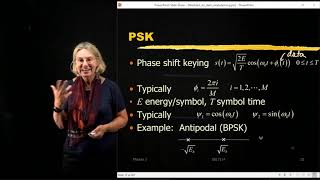
Quick Summary: Public webpage for this course's resources (exams, slides, exercises):

Gel7114 Module 3 14 Noncoherent Frequency Shift Keying -

Growth & Performance Considerations for this topic.

Important details found

  • Public webpage for this course's resources (exams, slides, exercises):

Why this topic is useful

Readers often search for Gel7114 Module 3 14 Noncoherent Frequency Shift Keying because they want a clearer explanation, related examples, and a practical way to continue exploring the topic.

Sponsored

Frequently Asked Questions

How should readers use this information?

Use it as a starting point, then open related pages for more specific details.

What should readers check next?

Readers should check related pages, official references, or updated sources when details matter.

Why are related topics included?

Related topics help readers compare nearby references and understand the broader subject.

Image References

GEL7114 - Module 3.14 โ€“ Noncoherent Frequency Shift Keying
GEL7114 - Module 3.1 - Modulation
GEL7114 - Module 3.8 - M-FSK BER Performance
Understanding Frequency Shift Keying
GEL7114 - Module 3.4 - Test statistics
GEL7114 - Module 3.2 - Modulation formats
GEL7114 - Module 3.5 - Decision regions
ESE 471 The Shift in FSK Depends on One Thing
GEL7114 - Module 3.13 โ€“ Differential Phase Shift Keying (DPSK)
GEL7114 - Module 3.17 -  Minimum Frequency Spacing for MFSK
Sponsored
View Full Details
GEL7114 - Module 3.14 โ€“ Noncoherent Frequency Shift Keying

GEL7114 - Module 3.14 โ€“ Noncoherent Frequency Shift Keying

Public webpage for this course's resources (exams, slides, exercises):

GEL7114 - Module 3.1 - Modulation

GEL7114 - Module 3.1 - Modulation

Public webpage for this course's resources (exams, slides, exercises):

GEL7114 - Module 3.8 - M-FSK BER Performance

GEL7114 - Module 3.8 - M-FSK BER Performance

Public webpage for this course's resources (exams, slides, exercises):

Understanding Frequency Shift Keying

Understanding Frequency Shift Keying

Read more details and related context about Understanding Frequency Shift Keying.

GEL7114 - Module 3.4 - Test statistics

GEL7114 - Module 3.4 - Test statistics

Public webpage for this course's resources (exams, slides, exercises):

GEL7114 - Module 3.2 - Modulation formats

GEL7114 - Module 3.2 - Modulation formats

Public webpage for this course's resources (exams, slides, exercises):

GEL7114 - Module 3.5 - Decision regions

GEL7114 - Module 3.5 - Decision regions

Public webpage for this course's resources (exams, slides, exercises):

ESE 471 The Shift in FSK Depends on One Thing

ESE 471 The Shift in FSK Depends on One Thing

Read more details and related context about ESE 471 The Shift in FSK Depends on One Thing.

GEL7114 - Module 3.13 โ€“ Differential Phase Shift Keying (DPSK)

GEL7114 - Module 3.13 โ€“ Differential Phase Shift Keying (DPSK)

Public webpage for this course's resources (exams, slides, exercises):

GEL7114 - Module 3.17 -  Minimum Frequency Spacing for MFSK

GEL7114 - Module 3.17 - Minimum Frequency Spacing for MFSK

Public webpage for this course's resources (exams, slides, exercises):